| Key Facts | Detail |
|---|---|
| Invented: 28 December 1895, by Auguste and Louis Lumière, at the Grand Café, Paris | |
| Cannes Film Festival: Founded 1946; the world's most prestigious film festival | |
| CNC: Centre national du cinéma (National Centre for Cinema) — France's state film funding body, unique globally | |
| Palme d'Or wins: France has won the Cannes Palme d'Or more than any other country | |
| Cultural exception: France led the global campaign to exclude cinema from free-trade agreements, insisting that film is culture, not commerce |


France invented cinema and has shaped it more profoundly than any country except the United States. From the Lumière brothers' first screening in 1895 to the Nouvelle Vague revolution of the 1960s to today's state-funded system that produces more films per capita than any other Western nation, French cinema is both an industry and an ideology — the belief that film is the septième art (seventh art), equal in dignity to literature, music, and painting.
The Invention (1895)
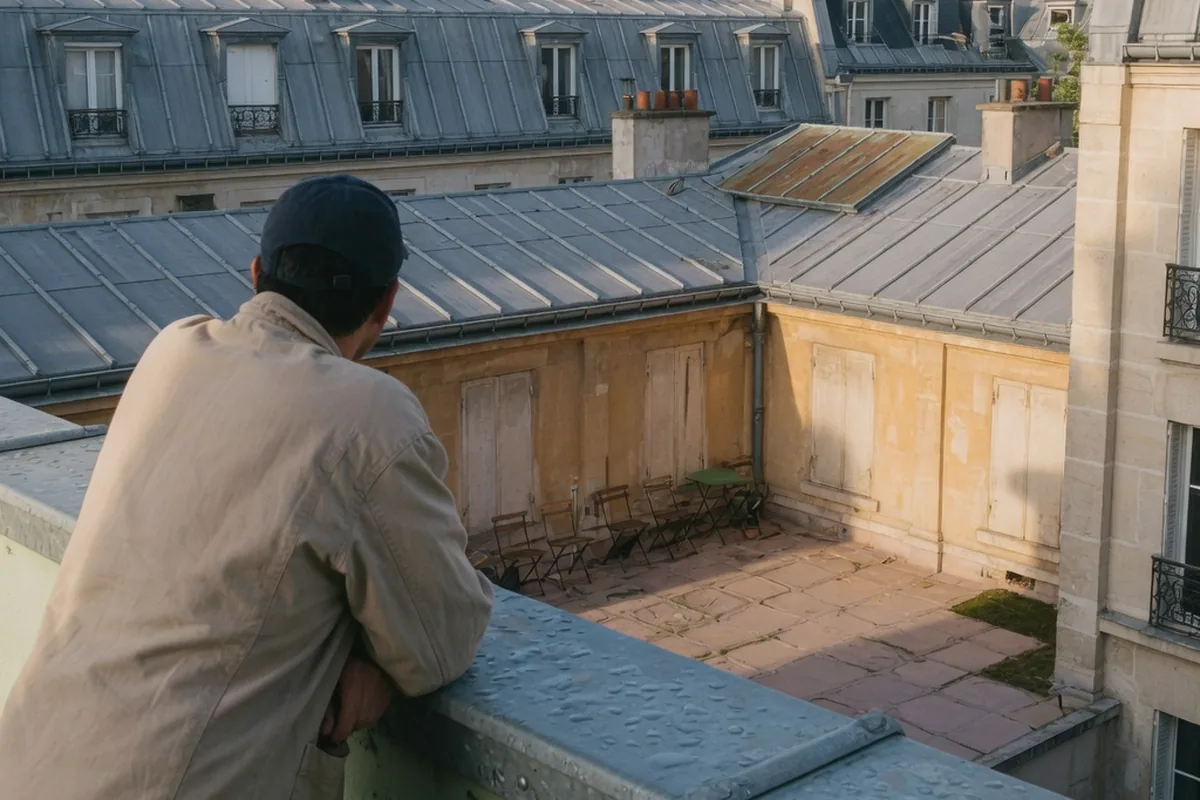
On 28 December 1895, Auguste and Louis Lumière screened ten short films at the Grand Café on the Boulevard des Capucines in Paris. The audience of thirty-three people watched trains arriving at stations, workers leaving a factory, and a baby being fed. It was the first public commercial film screening in history. According to legend (probably apocryphal), audience members screamed and ducked as the train appeared to rush toward them. Cinema had arrived.
Georges Méliès — a stage magician who attended that first screening — immediately grasped cinema's potential for fantasy. His Le Voyage dans la Lune (1902) invented narrative cinema, special effects, and science fiction in a single fourteen-minute film. The image of a rocket embedded in the moon's eye remains the most iconic frame in early cinema.
The Silent and Early Sound Era
French cinema dominated the silent era. Pathé and Gaumont were the world's largest film companies before World War I. Abel Gance's Napoléon (1927) — with its triptych screens, handheld cameras, and rapid editing — was the most technically ambitious silent film ever made.
The transition to sound produced masterpieces: Jean Renoir's La Grande Illusion (1937) and La Règle du jeu (1939) are consistently ranked among the greatest films ever made. Renoir — son of the Impressionist painter — brought a similarly observational, humanistic eye to cinema, creating complex ensemble stories without villains.
Marcel Carné and screenwriter Jacques Prévert created le réalisme poétique (poetic realism) — atmospheric, fatalistic dramas set among the working class. Les Enfants du paradis (1945), filmed during the German occupation, is the most celebrated French film of the classical era — a three-hour theatrical epic set in 1840s Paris.
The Nouvelle Vague (New Wave)
The most influential movement in cinema after Hollywood classicism began in the late 1950s, when a group of young critics at the magazine Cahiers du cinéma (Notebooks on Cinema) decided to make their own films. They had no money, no studios, no stars. They had theories and cameras.
François Truffaut (1932–1984)
Les Quatre Cents Coups (The 400 Blows, 1959) — a semi-autobiographical story of a neglected Parisian boy — announced the Nouvelle Vague at the Cannes Film Festival. Truffaut went on to make warm, humane films about love, obsession, and art: Jules et Jim, L'Enfant sauvage, the Antoine Doinel cycle.
Jean-Luc Godard (1930–2022)
À bout de souffle (Breathless, 1960) broke every rule of classical filmmaking — jump cuts, improvised dialogue, direct address to the camera, ironic quotation. Godard was the movement's provocateur, constantly reinventing himself across six decades. His influence on subsequent cinema is immeasurable.
Agnès Varda (1928–2019)
Often called the "grandmother of the New Wave" (though she preceded most of its members), Varda's Cléo de 5 à 7 (1962) follows a singer through Paris in real time as she awaits medical test results. Varda's later documentaries — Les Glaneurs et la Glaneuse, Visages Villages — are among the most innovative and personal films in French cinema.
French Cinema Today
France produces approximately 250 feature films per year, supported by the CNC (National Centre for Cinema) — a state body funded by taxes on cinema tickets, television revenue, and streaming services. This system, unique in the world, ensures that French cinema is not entirely dependent on commercial success.
The exception culturelle (cultural exception) — France's insistence that audiovisual products should be exempt from international free-trade rules — has been a cornerstone of French cultural policy since the 1993 GATT negotiations and continues to shape EU policy on streaming platforms.
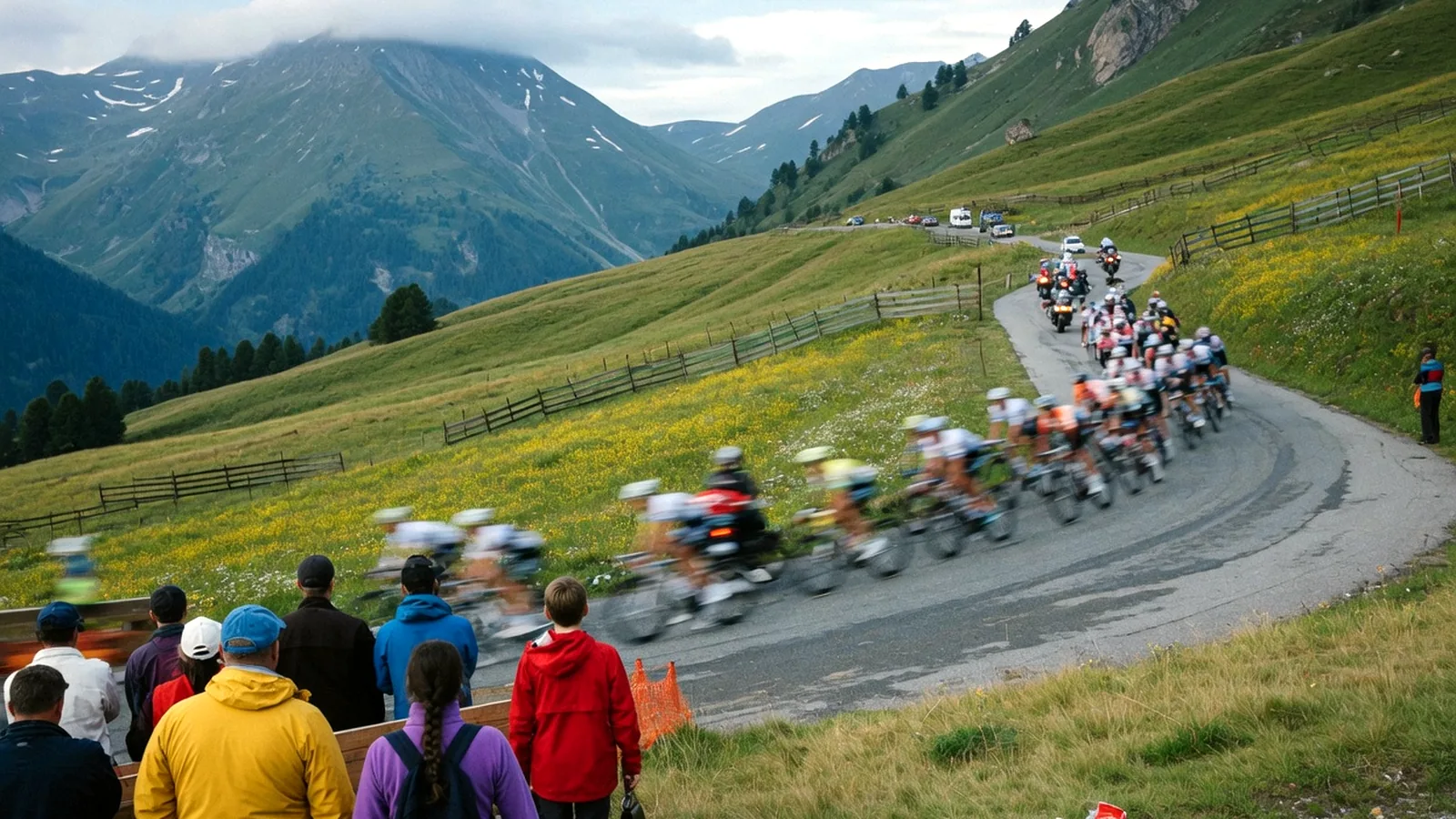
The Cannes Film Festival, held every May on the Côte d'Azur, remains the most prestigious and influential film festival in the world. The Palme d'Or (Golden Palm) is cinema's highest honour.
Where to Experience French Cinema
- La Cinémathèque française, Paris: Henri Langlois's legendary archive — screenings, exhibitions, collections
- MK2 cinemas, Paris: The best independent cinema chain in France, clustered around the Latin Quarter
- Festival de Cannes (May): The main festival is industry-only, but the parallel sections are accessible to the public
- Annecy International Animation Film Festival (June): The world's leading animation festival
- Lyon's Institut Lumière: The Lumière brothers' family home, now a museum and cinema
On the ground
| Pin | Working note |
|---|---|
| Page | French Cinema |
| Desk | L'Esprit |
| First use | Read the pins, then one related page — not five |
| Confirm | Official site or ticket desk the week you go |
Hours, fares, and festival weeks move. A 2024 caption is not a 2026 desk. French Cinema sits in a country that is easy to over-plan and easy to under-prepare. The arts layer is where visitors collect names. This page is the opposite: what to do first, what to skip, and which sibling guide holds the rest.
France rewards a slow unit. One arrondissement, one valley, one appellation, one park trail. The photograph of five landmarks in five days is a real holiday, and it is also a queue with a passport. If you only have three nights, spend two of them in the same bed. The third night is for a train, not a third hotel.
Working a visit
Practical France is sockets (Type E/F, 230 V), tap water that is safe, pharmacies that are the real clinic for minor trouble, and a lunch hour that still closes a village. Cards work in cities. Cash still opens some park kiosks, some island boats, and some market stalls that have never seen contactless. A lightweight adapter belongs in the personal item, not the hold.
We will not write as if every reader is on a gap year, or as if every reader is in a palace hotel. We will not flatten 'the south' into one climate. We will not treat a strike day, a jour férié, or a Tuesday museum closure as a personality quirk of the French. They are calendars. Check them. Then use French Cinema as a pin, not as scripture.
Cross the five guides instead of cloning them. La Porte holds trains and the first week. La Terre holds weather and park gates. L'Esprit holds museum Tuesdays and the Revolution. La Table holds the market morning and the wine list. Le Moteur holds the Tour, the working week, and why August is empty in Paris and full on the coast.